
The Psychology of Convenience: Vape Vending Machines and Impulse Buying in Fitness Spaces
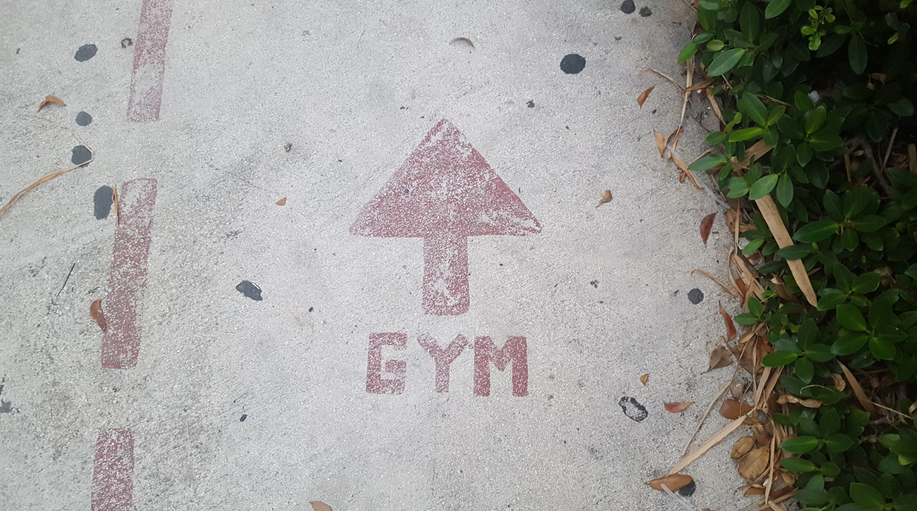
In a world driven by convenience, vape vending machines are the latest addition to public spaces, including gyms and fitness centers. While vaping is often marketed as a less harmful alternative to smoking, the presence of a vape vending machine in wellness-focused environments raises questions about the psychological impact of accessibility and impulse buying on health-conscious individuals. This article explores how vape vending machines influence consumer behavior and the potential consequences of their placement in fitness spaces.
Convenience as a Driving Force
Convenience plays a significant role in consumer behavior. Vape vending machines capitalize on this by providing immediate access to vaping products without the need for interpersonal interaction. For many, this quick and discreet option aligns with the fast-paced nature of modern life. These machines become even more attractive in fitness spaces, where time efficiency is valued. However, the ease of access can blur the lines between intentional and impulsive purchases. Fitness enthusiasts who are looking for quick fixes to unwind or de-stress post-workout are drawn to vaping products due to their proximity and perceived convenience.
Impulse Buying in Fitness Environments
Impulse buying occurs when consumers make unplanned purchases, often driven by emotional triggers or environmental cues. Fitness spaces are designed to promote well-being, creating an atmosphere of achievement and self-reward. Vape vending machines in these settings may tap into this mindset, encouraging impulse purchases as a “reward” for a challenging workout.
Moreover, marketing strategies emphasizing stress relief, relaxation, or enhanced social experiences associated with vaping can heighten the …

Women and Addiction: Gender-Specific Challenges and Solutions in Rehab
Addiction affects people from every walk of life, but women often face unique challenges and barriers to recovery compared to men. Alcohol & Drug Rehabs: Detox & Addiction Treatment Centers Near Me In Iowa can provide the help you need , regardless of gender. Factors such as biological differences, societal expectations, trauma history, and family responsibilities can influence women’s experiences with substance use disorders and their journey to sobriety. Recognizing these gender-specific challenges is essential for rehab centers to provide tailored and effective treatment approaches. This article explores the specific challenges women may encounter in addiction recovery and highlights gender-sensitive solutions that rehab centers can implement to support their needs.
Biological and Psychological Factors
 Women may experience addiction differently than men due to biological and psychological differences. Women tend to progress from substance use to addiction more quickly than men and may be more susceptible to cravings and relapse. Hormonal fluctuations during menstruation, pregnancy, and menopause can also impact women’s responses to drugs and alcohol. Rehab institutions should tailor treatment strategies to meet the specific requirements of female clients.
Trauma and Co-occurring Disorders
Many women with substance use disorders have a history of trauma, such as physical, sexual, or emotional abuse. Trauma can lead to addiction as a coping technique, complicating rehabilitation. Women are more likely than males to experience co-occurring mental health problems, including depression, anxiety, and eating disorders, necessitating integrated treatment approaches. To successfully treat trauma and co-occurring disorders, rehabilitation clinics should include trauma-informed care and specialized therapies …